Notes for the journey
Lake Titicaca frog: facts and conservation
The Lake Titicaca frog explains why the lake is more than scenery. Telmatobius culeus belongs to this basin and lives in the water. Learning about it should begin with conservation rather than a promise of an encounter during an excursion.
Compare tours: Lake Titicaca tours: La Paz & Copacabana [2026] →
Updated
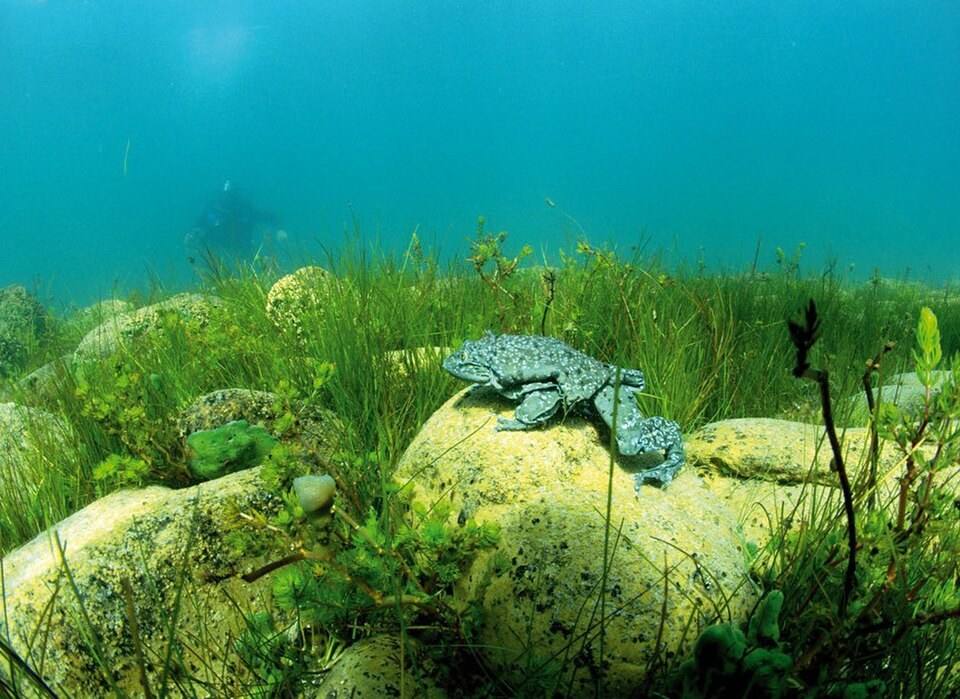
The short answer
It is a threatened species rather than a guaranteed sightseeing attraction. Use scientific and conservation sources and never capture or handle wildlife.
A basin species, not every Andean lake
The American Museum of Natural History records Telmatobius culeus in the Titicaca region and related waters in Peru and Bolivia. Not every frog on the shore is this species. Body shape and skin folds are recognizable features, but identification should not depend on a nickname or a blurred photograph. Do not collect an animal to check.
Why the skin is folded
Conservation organizations describe an entirely aquatic amphibian whose skin helps exchange gases underwater; folds increase surface area. That close dependence on water makes pollution and habitat deterioration particularly important. Understanding the adaptation is more useful than repeating extraordinary size claims without explaining whether they measure body, total length or historic specimens.
Conservation status needs a date
IUCN’s tables document a change from Critically Endangered to Endangered in the 2020 assessment. Denver Zoo’s current programme also uses Endangered. Older or unmaintained pages retain the previous category; do not combine them as simultaneous assessments. A category change does not mean the species is safe: the programme identifies pollution, harvesting, introduced species and disease as threats.
Learn without a sighting promise
Use Denver Zoo’s conservation work and the linked taxonomic references. Aquarium photographs illustrate captive animals and must be labelled accordingly; they do not show that tourists see frogs from boats. Before visiting a centre, confirm authorization, hours and educational purpose. Do not handle, buy or consume frogs, or ask a guide to capture one for a photograph.
What conservation work actually involves
Denver Zoo’s current field-program page describes ecological and social research, population monitoring with Peruvian partners, training and community work. Those activities are different from displaying an animal to a passing visitor. Scientific monitoring asks how populations and threats change; one photograph cannot answer whether a species is recovering across the lake.
The programme also discusses a separate Lake Junín frog. Do not merge the two names, locations or project results: a conservation page can cover more than one species. When sharing a fact, check the scientific name, place and date attached to it. A dramatic headline about a different Andean frog is not evidence about Telmatobius culeus.
How to recognize a responsible learning opportunity
Ask a proposed educational centre who manages it, whether it is authorized, how animals are cared for and whether the visit supports an established programme. Confirm current opening and access directly; this guide has not verified a public visitor timetable or sold an admission to a frog facility. A conservation organization’s website does not establish a tourist attraction beside your boat dock.
Keep hands, equipment and rubbish out of the habitat. Do not ask a boat guide to lift an animal from the water so you can identify or photograph it. Explain to children that the wild photograph illustrates a species in its habitat and the labelled zoo photograph illustrates captive care. Both can support learning without promising an encounter or encouraging collection.
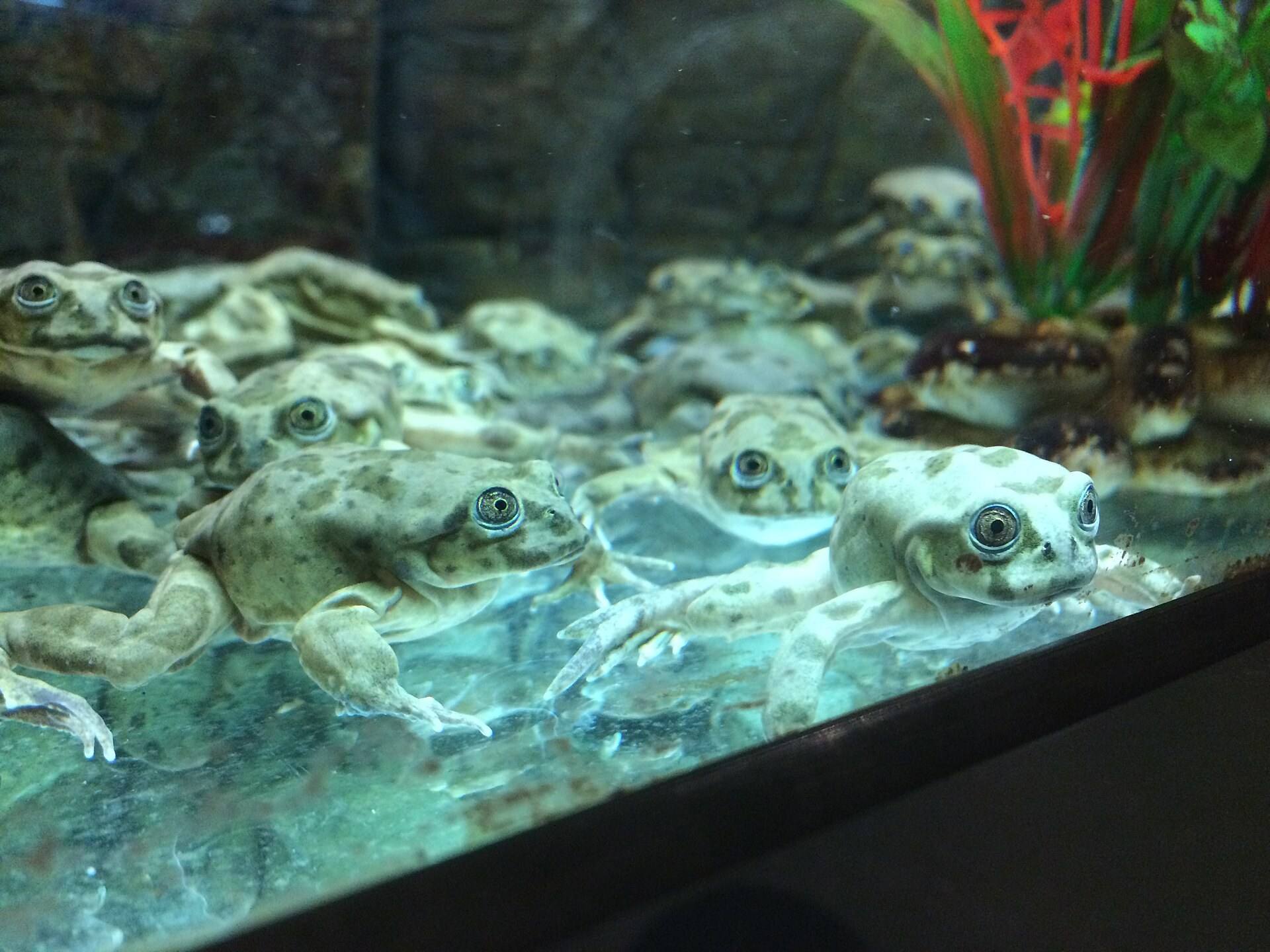
Captive Titicaca frogs at Denver Zoo; this is not a tourist wildlife sighting.
Sources & last checked
Checked 20 October 2026. Prices, access and transport can change; confirm with the linked official source before travelling.
Plan your trip
Compare tours
Check current dates, inclusions and availability on GetYourGuide.
We may earn a commission on bookings through these links. How this works.